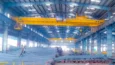

Planning a warehouse project is no small task. Whether you are setting up a distribution hub, a manufacturing storage unit or a logistics facility, the decisions you make during the planning phase will shape how well the building performs for years to come. A warehouse that is poorly designed may look functional at first but can create costly problems later – from inefficient operations to safety risks.
So, before you break ground on your next warehouse construction project, here is a clear guide to the features you simply cannot overlook.
1. Adequate Ceiling Height for Vertical Storage
One of the first things to plan is the clear internal height of the structure. Warehouses are not just wide, they need to be tall. Many modern warehouses support vertical racking systems to maximise storage capacity without expanding the footprint.
A clear height of around 9 to 12 metres is generally suitable for most storage and logistics operations. If you plan to use automated storage systems or high racking, even greater height may be needed. Planning this upfront avoids expensive structural modifications later.
2. Efficient Loading and Unloading Bays
A warehouse with poor dock design can slow down your entire supply chain. Loading and unloading bays are the entry and exit points for your goods, so they need to be planned carefully.
Key considerations include:
- Number of docks: Plan for multiple bays to handle peak traffic without delays
- Dock levellers: These allow smooth movement of goods between trucks and the warehouse floor
- Continuous canopy coverage: A canopy across all bays protects goods and workers from rain and harsh weather
- Turning radius: Ensure the external yard allows large vehicles to manoeuvre safely
3. Thermal Insulation for Temperature Control
Insulation is not just about comfort, it directly affects the safety and quality of stored goods. Without proper insulation, a warehouse becomes too hot in summer and too cold in winter. This can damage temperature-sensitive products such as food, pharmaceuticals, electronics, and chemicals.
Insulated sandwich panels such as PUF or EPS panels are widely used in modern pre-engineered warehouses for this reason. They maintain internal temperatures, reduce energy consumption, and improve the working environment for staff. If your operations require cold storage, insulation becomes even more critical.
4. Fire Safety Systems
A warehouse stores inventory that often represents a significant portion of your business assets. Fire damage can cause losses that take years to recover from. This makes fire safety a non-negotiable part of warehouse design.
Your warehouse should include:
- Fire-resistant building materials such as rockwool-insulated panels with good fire ratings
- Sprinkler systems positioned across the ceiling
- Fire hydrants at accessible locations inside and outside the building
- Emergency exits clearly marked and unobstructed
- Fire detection alarms connected to a central monitoring system
Local fire safety codes and guidelines from bodies such as the National Building Code of India (NBC) must be followed during design and construction.
5. Natural Lighting and Ventilation
Well-lit and ventilated warehouses improve worker productivity and reduce energy costs. Skylights, translucent roof sheets, and clerestory windows allow natural light to enter without compromising the structural integrity of the roof.
Proper ventilation also prevents moisture build-up, which can cause mould, rust, and damage to stored goods. Ridge vents and louvers are commonly used solutions in pre-engineered building designs.
6. Durable Flooring Designed for Heavy Loads
The warehouse floor takes enormous daily stress from forklifts and pallet jacks to heavy racking loads. A floor that cracks or becomes uneven creates safety hazards and operational disruptions.
Industrial-grade RCC flooring with the right load-bearing capacity is essential. The floor design should account for the weight of the racking system, maximum load per bay, and the type of equipment in use.
7. Future Expansion Flexibility
Business needs change. A warehouse that cannot grow with your business becomes a liability. Pre-engineered steel buildings offer a key advantage here – their modular design allows for relatively straightforward expansion compared to traditional brick-and-mortar construction.
When planning your warehouse, keep future expansion in mind. Leave room on the plot, design the structure with extendable end walls, and avoid fixed utilities in areas that may need to be opened up later.
Why Pre-Engineered Buildings Work Well for Warehouses
Pre-engineered buildings (PEBs) have become a practical and popular choice for warehouse construction in India. They offer faster construction timelines, consistent quality, and cost efficiency compared to conventional construction. The components are manufactured in a controlled factory environment and assembled on site, which reduces material waste and on-site errors.
Companies like EPACK Prefab bring experience across warehouse, logistics, industrial, and commercial construction projects. With capabilities in PEB structures, insulated panels, and modular solutions, they support clients from design to delivery, making project execution smoother and more predictable.
Conclusion
A well-planned warehouse is more than just a storage building. It is an operational asset that directly supports your business efficiency. From structural height and insulation to fire safety and future scalability, every feature plays a role in how the building performs over its lifetime.
If you are in the early stages of planning a warehouse project, taking time to get these essentials right will save significant cost and effort in the long run.
Ready to plan your warehouse project? Get in touch with the EPACK Prefab team to discuss your requirements and explore the right construction solution for your business.
🌐 Website: www.epack.in
✉️ Email: enquiry@epack.in
📞 Phone: +91 81304 44466