When businesses plan a new warehouse, one of the first decisions they face is the construction method. Should they go with conventional brick-and-concrete structures, or switch to a Pre-Engineered Building (PEB) approach? While traditional construction has served industries for decades, the rise of PEB warehouses is reshaping how industrial and commercial storage spaces are built across India and beyond.
This blog breaks down both methods clearly – so you can make a well-informed choice for your next project.
What Is a PEB Warehouse?
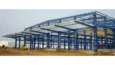
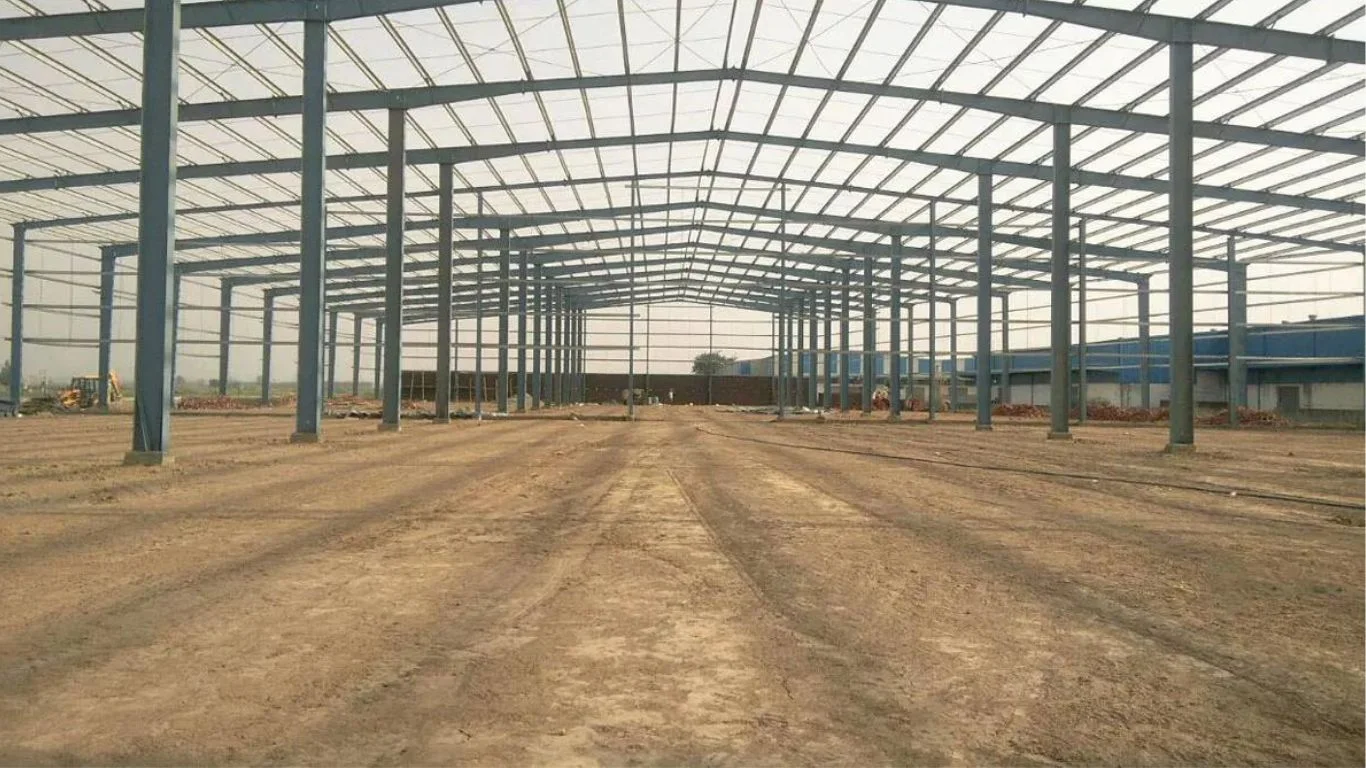
A Pre-Engineered Building (PEB) warehouse is a steel-framed structure where all major components — columns, beams, roof panels, and wall cladding – are designed and fabricated at a manufacturing facility before being transported and assembled on-site.
We at EPACK Prefab design these buildings using advanced software to ensure every component fits precisely, reducing waste and construction time significantly.
How Traditional Warehouse Construction Works
Traditional warehouse construction relies on on-site processes using materials like concrete, bricks, and reinforced steel bars. Workers carry out all structural work at the project location – from laying the foundation to raising walls and installing the roof.
While this method allows certain site-specific customisations, it comes with several challenges:
- Long construction timelines due to on-site fabrication
- High labour dependency, which increases costs and risks
- Weather-related delays affecting project schedules
- Significant material wastage during execution
- Heavier foundations required due to the overall structural weight
PEB Warehouse vs Traditional: Key Comparisons
1. Construction Speed
Speed is one of the strongest advantages of PEB warehouses. Since components arrive pre-fabricated, on-site assembly is faster and more predictable. Traditional construction, on the other hand, depends on sequential stages that are often delayed by labour availability, weather, or supply chain issues.
For businesses that need their warehouse operational quickly, PEB construction delivers a clear advantage.
2. Cost Efficiency
PEB warehouses tend to be more cost-effective across multiple areas. Lighter steel structures require less foundation material. Factory-based fabrication reduces on-site labour requirements. Precise manufacturing also lowers material wastage substantially.
Traditional warehouses, by contrast, often face budget overruns due to fluctuating raw material prices, delays, and higher labour costs.
3. Structural Strength and Durability
A well-designed PEB warehouse is built to withstand heavy wind loads, seismic activity, and the demands of industrial use. Steel, when properly treated, offers excellent strength-to-weight ratios and long service life.
Traditional concrete structures are durable too, but they tend to be heavier and less flexible when modifications are needed later.
4. Design Flexibility and Expansion
One of the most practical features of PEB warehouses is their ability to support large clear spans — wide, column-free interior spaces. This is ideal for storage facilities, logistics hubs, and manufacturing plants where maximum usable floor area matters.
Additionally, expanding a PEB warehouse is straightforward. Adding new sections or bays follows a modular process that does not require extensive structural changes.
Traditional buildings are harder and more expensive to expand or modify after construction.
5. Energy Efficiency
Modern PEB warehouses use insulated roof and wall panels – such as PUF panels (Polyurethane Foam) or EPS panels — that significantly reduce heat gain and energy consumption. This helps businesses lower cooling costs and maintain comfortable working conditions inside large spaces.
Traditional construction can achieve insulation too, but it often requires additional materials and costs.
6. Sustainability
Steel used in PEB structures is recyclable. PEB construction generates less on-site waste and uses resources more efficiently. For businesses with sustainability goals or green building certifications, PEB is a more aligned choice.
When Is Traditional Construction Still Relevant?
Traditional construction remains suitable for highly customised structures with complex architectural requirements, multi-storey buildings with specific load demands, or projects in locations where prefabricated components are difficult to transport.
However, for standard industrial warehouses, logistics centres, cold storage facilities, and large commercial storage spaces, PEB construction consistently delivers better value.
EPACK Prefab’s Role in PEB Warehouse Construction
EPACK Prefab has been working in the pre-engineered and prefabricated building space for over 25 years. The company handles end-to-end warehouse projects – from design and fabrication to installation – making the entire process efficient and manageable for clients.
Whether you need a simple storage facility or a large-scale distribution centre, EPACK Prefab provides solutions tailored to your site conditions, operational requirements, and budget.
Conclusion
Both construction methods have their place. However, for most industrial and commercial warehouse needs today, PEB construction offers better speed, lower cost, greater flexibility, and improved sustainability compared to traditional methods.
If you are planning a new warehouse project and want to explore a smarter, faster construction approach, evaluating PEB solutions is a logical first step.
Ready to build smarter? Connect with EPACK Prefab to discuss your warehouse project requirements and get expert guidance on the right construction approach for your needs.
For warehouse construction solutions and project discussions:
📧 enquiry@epack.in
📞 +918130444466
Let’s build your warehouse – smarter, faster, and stronger.