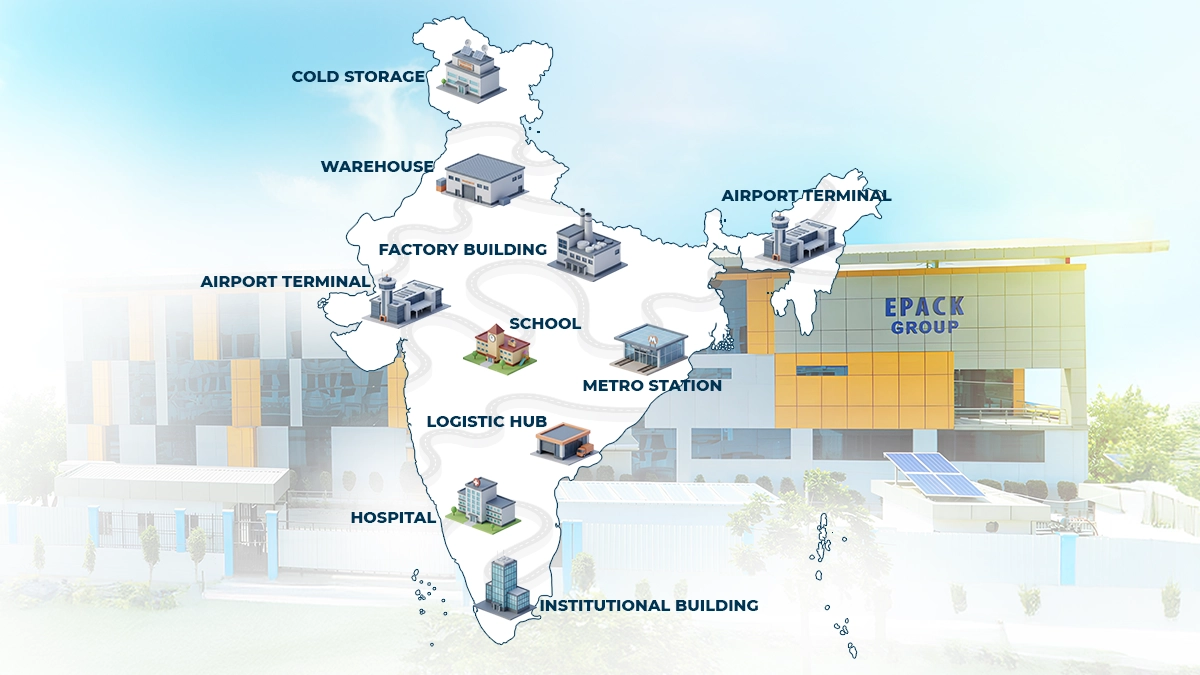
India’s infrastructure story in 2026 is being written at an unprecedented pace. From logistics parks and manufacturing hubs to renewable energy projects, data centres, airports, and cold chain infrastructure, the country is building faster than ever before.
At the heart of this transformation lies prefabricated construction—a construction approach that has evolved from being an alternative solution to becoming the foundation of modern infrastructure development.
This blog explains why prefabricated construction is no longer optional, but essential for India’s infrastructure growth in 2026.
India’s Infrastructure Push in 2026: The Bigger Picture
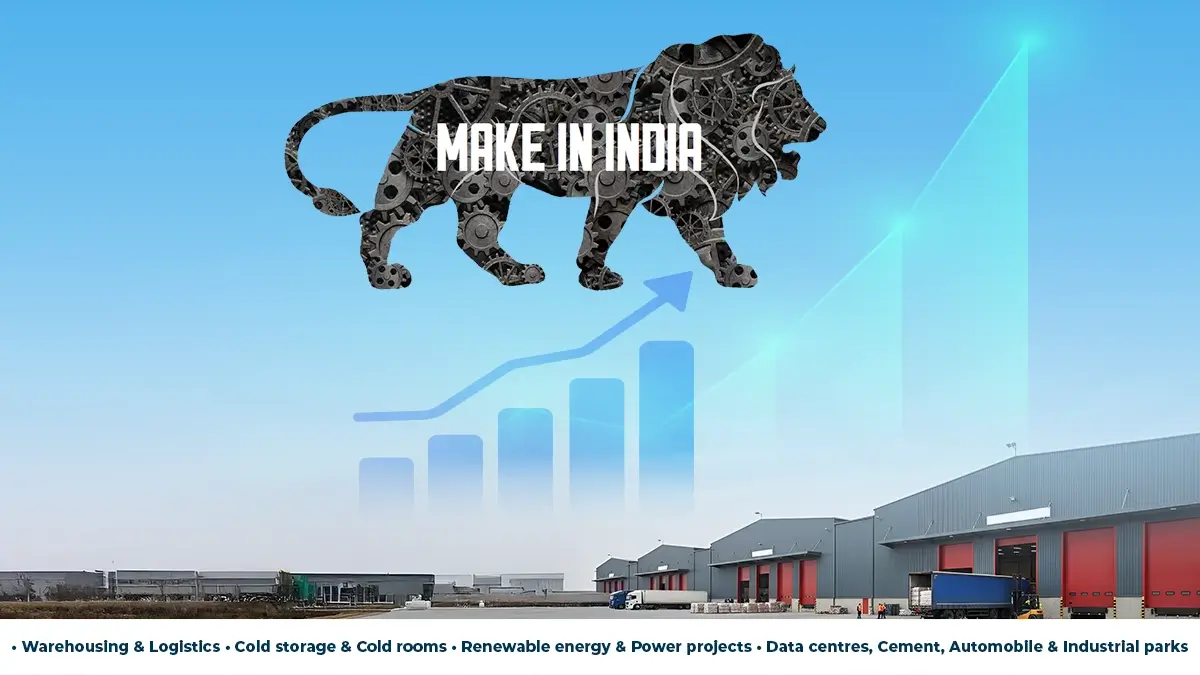
India’s economic growth is closely tied to how quickly and efficiently infrastructure can be created. In 2026, infrastructure development is driven by:
- Expansion of manufacturing under Make in India
- Rapid growth of warehousing and logistics
- Rising demand for cold storage and cold rooms
- Large-scale renewable energy and power projects
- Growth of data centres, cement, automobile, and industrial parks
Traditional construction methods struggle to keep pace with these demands due to longer timelines, higher wastage, and inconsistent quality. This is where prefabricated construction proves its value.
What Is Prefabricated Construction?
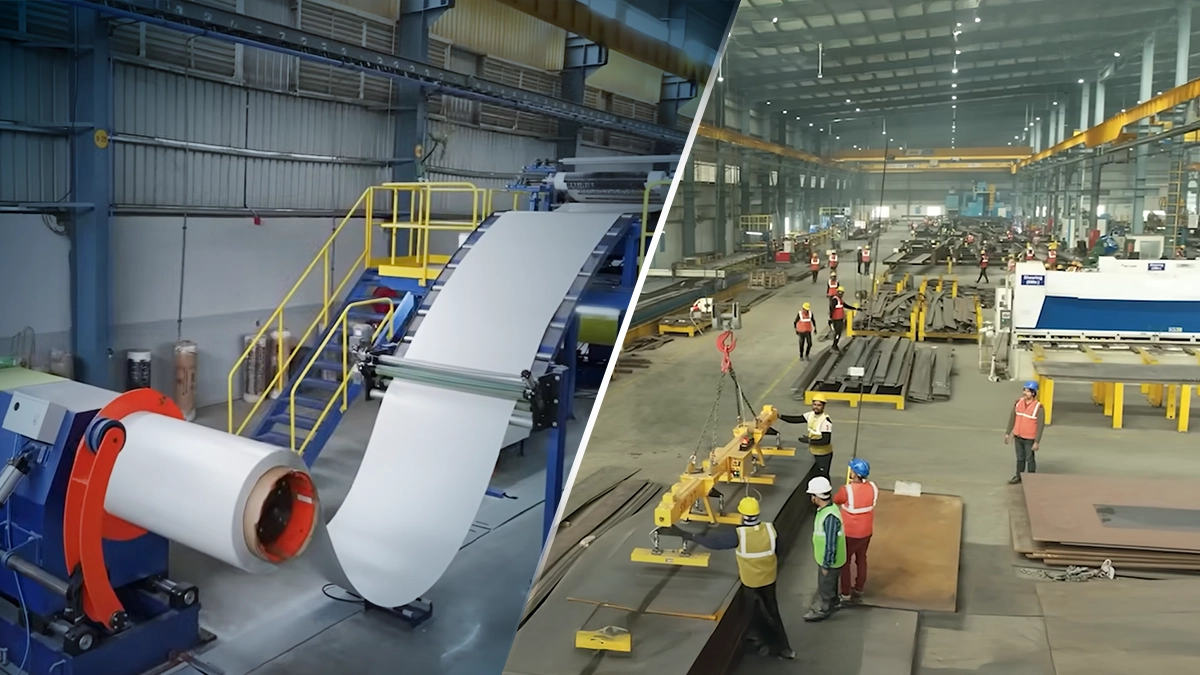
Prefabricated construction involves manufacturing building components in a controlled factory environment and assembling them at the project site. These components may include:
- Structural steel members (PEB systems)
- Insulated sandwich panels (PUF, Rockwool, Glass Wool, EPS)
- Roofing and wall systems
- Modular enclosures and site infrastructure
This approach ensures speed, precision, scalability, and cost efficiency, making it ideal for large-scale infrastructure projects.
Why Prefabricated Construction Is Critical for 2026 Infrastructure
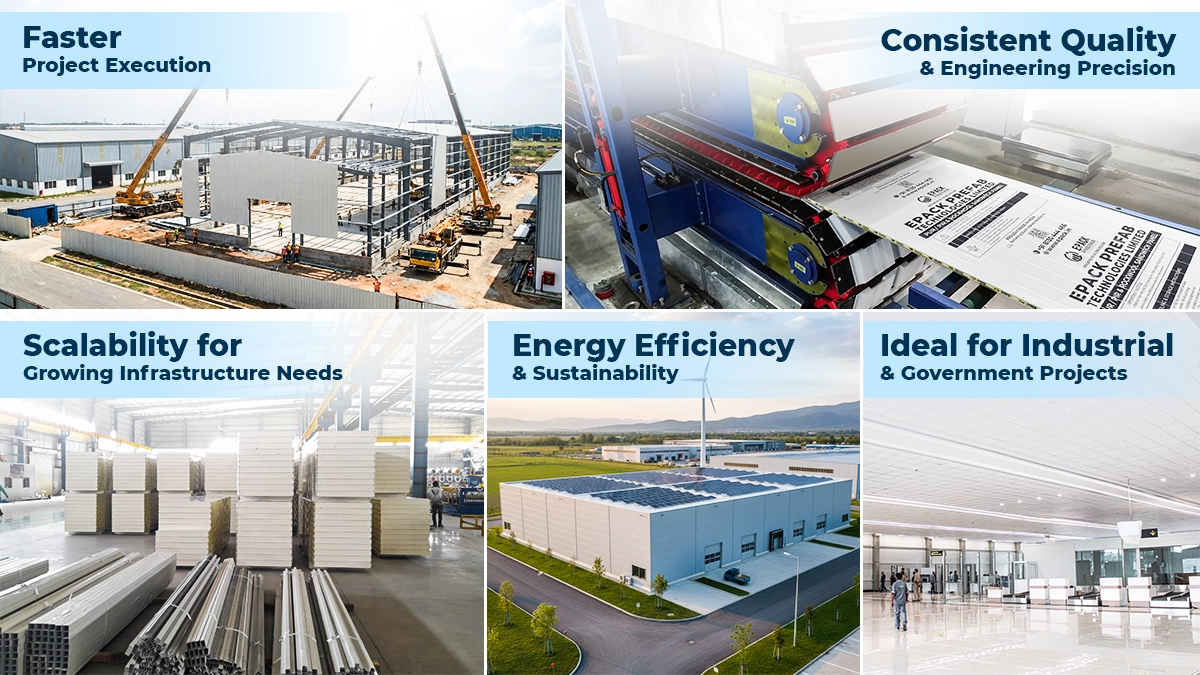
1. Faster Project Execution
Speed is the single biggest advantage of prefabricated construction.
- Manufacturing and site preparation happen simultaneously
- Installation time is drastically reduced
- Projects are completed 30–40% faster than conventional construction
For industries where early commissioning directly impacts revenue—such as logistics parks, factories, or cold storage—this speed becomes a competitive advantage.
2. Consistent Quality and Engineering Precision
Infrastructure projects demand reliability and long service life.
Prefabricated construction ensures:
- Factory-controlled quality checks
- Precision engineering and standardized processes
- Reduced on-site errors and rework
This level of consistency is difficult to achieve with traditional on-site construction, especially across multiple locations.
3. Scalability for Growing Infrastructure Needs
One of the defining features of infrastructure growth in 2026 is scalability.
Prefabricated structures allow:
- Easy future expansion
- Modular additions without disturbing ongoing operations
- Adaptability to changing capacity requirements
This makes prefab solutions ideal for warehouses, industrial sheds, manufacturing units, and data centres.
4. Energy Efficiency and Sustainability
Sustainability is no longer a choice—it is a requirement.
Prefabricated buildings support:
- High-performance insulated sandwich panels
- Reduced energy consumption for cooling and heating
- Minimal construction waste
- Lower carbon footprint
With rising energy costs and stricter environmental norms, energy-efficient prefab structures are becoming the preferred infrastructure choice.
5. Ideal for Industrial & Government Projects
Prefabricated construction aligns perfectly with industrial, commercial, and government-sector requirements, including:
- Warehouses and logistics hubs
- Cold storage and cold room facilities
- Manufacturing plants and industrial sheds
- Power, renewable energy, and utility buildings
- Airports, metro infrastructure, and institutional buildings
These projects demand speed, durability, and compliance—areas where prefab construction excels.
The Role of Advanced Manufacturing in Prefabrication
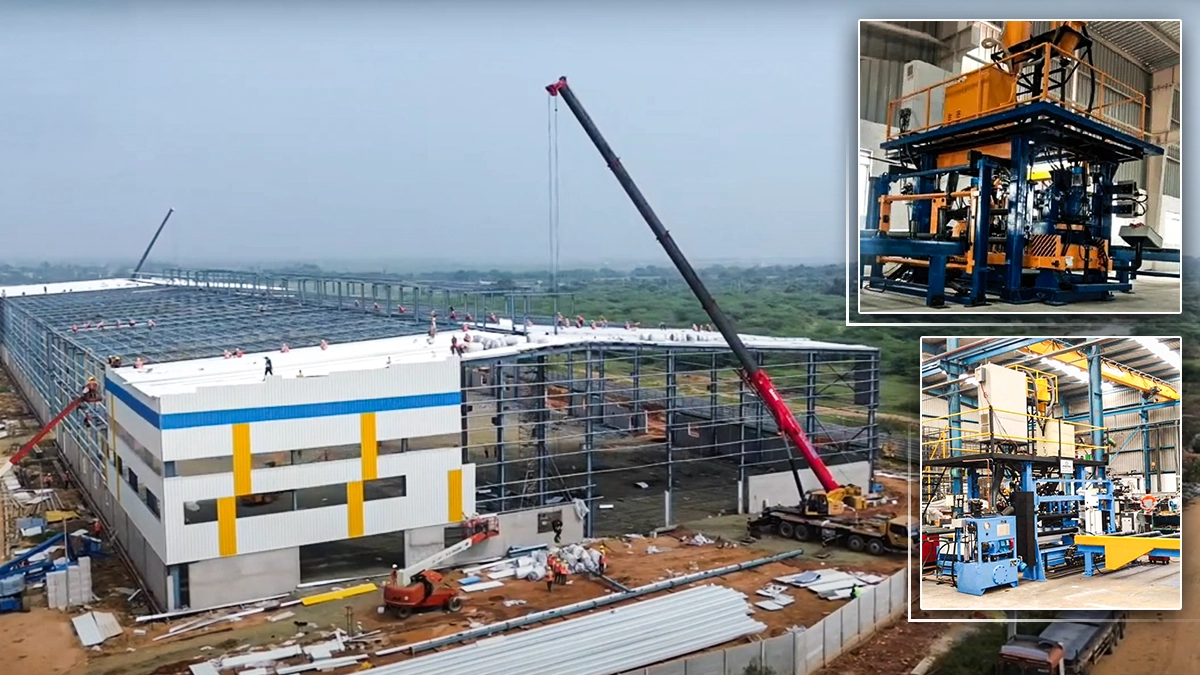
Modern prefabrication is powered by advanced manufacturing technologies, including:
- Automated steel fabrication
- Continuous Panel (CP) lines for insulated panels
- High-precision roll forming and profiling
- Advanced design and engineering software
These technologies ensure uniform quality, better thermal performance, and faster delivery—key requirements for infrastructure development in 2026.
How EPACK Prefab Supports India’s Infrastructure Growth
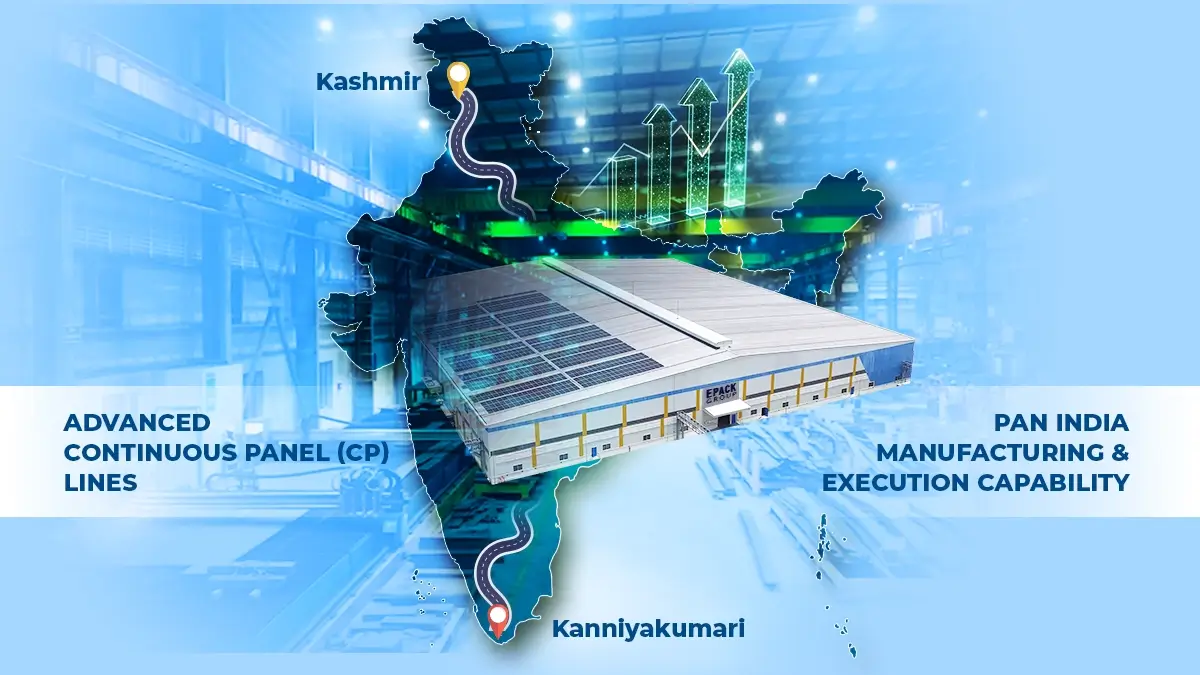
With 25+ years of experience, EPACK Prefab has been an integral part of India’s prefabrication journey. The company supports infrastructure growth through:
- Pre-Engineered Buildings (PEB) for industrial and commercial use
- Insulated sandwich panels for cold storage, clean environments, and energy-efficient buildings
- Advanced Continuous Panel (CP) lines for consistent panel quality
- PAN India manufacturing and execution capability
- End-to-end solutions—from design and manufacturing to supply and execution
EPACK Prefab’s solutions are designed to meet the demands of large-scale, time-sensitive, and future-ready infrastructure projects.
Prefabricated Construction: The Future Is Already Here
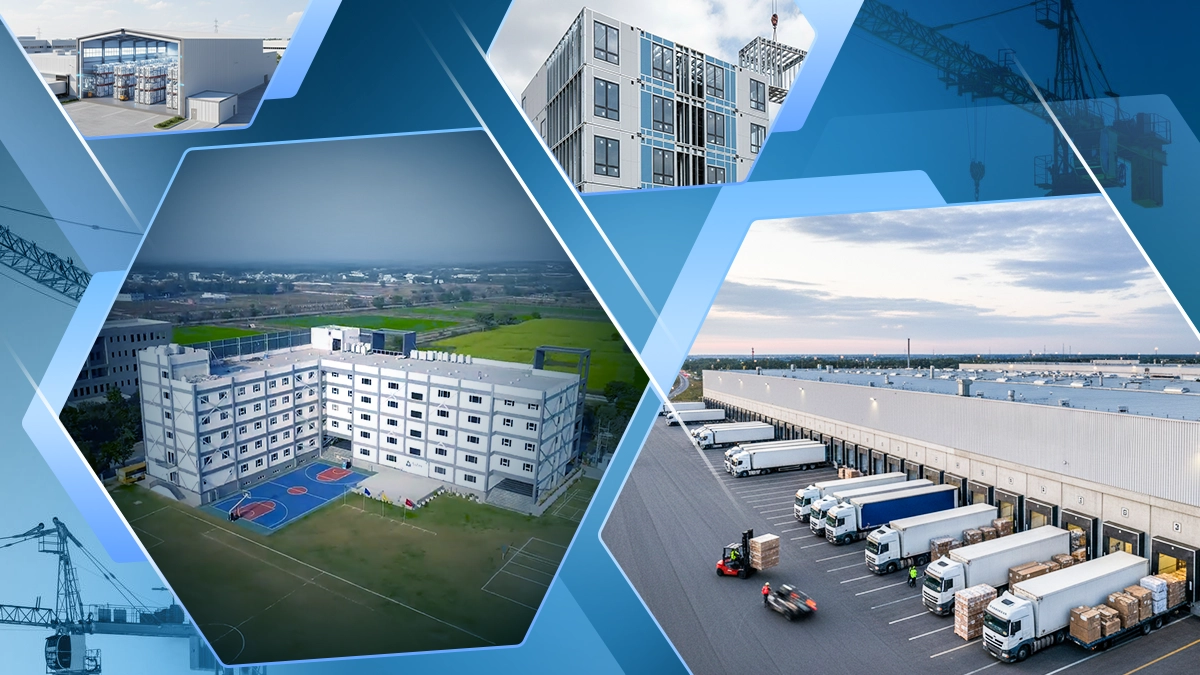
In 2026, prefabricated construction is no longer an emerging trend—it is the backbone of India’s infrastructure ecosystem.
Its ability to deliver:
- Speed
- Quality
- Scalability
- Energy efficiency
- Long-term cost savings
makes it the most practical and future-ready construction approach for India’s ambitious growth plans.
Conclusion
As India continues its infrastructure expansion journey in 2026, prefabricated construction stands out as the most reliable, efficient, and scalable solution. From industrial development to logistics, cold chain, renewable energy, and public infrastructure, prefab construction enables faster progress without compromising on quality or sustainability.
EPACK Prefab remains committed to supporting this growth by delivering engineered, energy-efficient, and future-ready prefabricated solutions across India.
For infrastructure solutions, industrial projects, or prefabricated construction requirements, reach out at enquiry@epack.in or call +918130444466