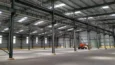

When you plan a new factory, warehouse, or commercial space, the roof is one of the most critical decisions you will make. It is not just about keeping the rain out. The right roof directly affects your energy bills, the comfort of people inside, and the long term maintenance costs of your building.
Insulated Roof Panels have become a go-to choice for modern industrial and commercial construction. Whether you are setting up a manufacturing unit, a cold storage facility, or a large warehouse, understanding how these panels work and what makes them different will help you make a smarter investment.
What Are Insulated Roof Panels?
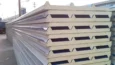
Insulated Roof Panels are engineered building components that combine a structural outer shell with a thermal insulation core. The outer layers are typically made of steel or metal, while the inner core uses materials such as PUF (Polyurethane Foam), EPS (Expanded Polystyrene), Rockwool or Glass Wool.
This sandwich like construction also called sandwich panel technology gives these panels two jobs at once: providing structural strength and regulating temperature. That is why they are widely used in industrial roof panels, factory roof panels and warehouse roof panels across India and globally.
Types of Insulated Roof Panels You Should Know
Not all insulated panels are the same. The core material determines the thermal performance, fire resistance, and application suitability. Here are the most common types:
PUF (Polyurethane Foam) Panels
PUF panels offer excellent thermal insulation and are widely used in cold storage facilities, clean rooms, and temperature-sensitive industrial spaces. Their high insulation value (low U-value) makes them one of the most energy efficient roof panels available today.
EPS (Expanded Polystyrene) Panels
EPS panels are lightweight, cost effective, and easy to install. They perform well in general industrial and commercial construction where moderate thermal performance is required.
Rockwool and Glass Wool Panels
These panels are preferred where fire resistance and acoustic insulation are priorities, such as in power plants, foundries and manufacturing units where noise and heat management are critical.
Metal Insulated Roofing Panels regardless of the core type, all share a durable metal exterior that handles weather, UV exposure and physical load effectively.
Key Benefits That Make Insulated Roof Panels a Smart Choice
1. Significant Energy Savings
Thermal Insulated Roof Panels minimize heat transfer between the outside environment and the interior of a building. In India’s extreme climate conditions, both hot summers and cold winters – this translates into substantially lower energy consumption for cooling and heating. Businesses that use energy efficient roof panels consistently report reduced HVAC loads and lower monthly electricity bills.
2. Faster Construction and Installation
Pre-engineered insulated metal roofing panels arrive ready to install. There is no need for multiple layers of roofing materials, waterproofing treatments, or extended drying time on site. This dramatically shortens the project timeline, which matters greatly for businesses looking to get operational quickly.
3. Lightweight Yet Strong
Despite their multi-layer composition, Roof Insulation Panels are significantly lighter than conventional roofing systems. This reduces the load on the structural framework, which can lower overall construction costs without compromising durability.
4. Better Working Conditions and Productivity
A well-insulated building maintains a more consistent indoor temperature. For industrial and commercial spaces, this means workers are more comfortable, leading to better productivity. It also protects sensitive machinery, goods, and materials from temperature fluctuations.
5. Low Maintenance Over Time
Metal Insulated Roof Panels are resistant to moisture, corrosion, and pests. Once installed correctly, they require minimal upkeep compared to traditional roofing materials like asbestos sheets or conventional RCC roofs.
Where Are Insulated Roof Panels Used?
These panels are versatile and suitable across a wide range of sectors:
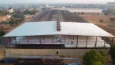
- Factory Roof Panels – used in automotive, pharmaceutical, food processing, and textile manufacturing plants
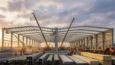
- Warehouse Roof Panels – ideal for logistics hubs, distribution centres, and storage facilities
- Cold Storage and Food Processing Units – where strict temperature control is essential
- Commercial and Institutional Buildings – offices, educational institutions, sports complexes
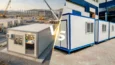
- Prefab Site Infrastructure – temporary offices, worker accommodations, and control rooms
What to Consider Before Choosing Insulated Roof Panels
Selecting the right panel involves more than just picking a product off a catalogue. Here are a few practical points to evaluate:
- Thermal performance requirements based on your location and building use
- Fire resistance rating – especially important for industrial and food-grade facilities
- Load-bearing capacity and wind resistance for your region
- Core material compatibility with the specific application (cold storage vs. general industrial use)
- Experience and track record of the manufacturer and installer
Working with an experienced supplier ensures that panel selection, design, and installation are aligned with your project’s technical and functional requirements.
How EPACK Prefab Supports Your Insulation Needs
EPACK Prefab, established in 1999 and headquartered in Greater Noida, provides a comprehensive range of insulated sandwich panels including PUF panels, EPS panels, Rockwool panels, and Glass Wool panels. These products are widely used across Pre-Engineered Buildings, cold storage units, clean rooms, and modular construction projects across India.
With ISO 9001:2015 and ISO 14001:2015 certifications, EPACK Prefab ensures consistent quality and sustainable manufacturing practices. Their panel solutions are engineered to meet the thermal, structural, and fire-safety requirements of diverse industrial and commercial applications.
Conclusion
Insulated Roof Panels are no longer a premium option reserved for specialized projects. They have become the practical standard for anyone building smarter, faster, and more sustainably. From factory roof panels to warehouse roof panels, the right insulated panel choice pays dividends in energy efficiency, comfort, and long-term cost savings.
If you are planning a new construction project or upgrading your existing facility’s roofing system, taking the time to understand your panel options is a worthwhile investment before you begin.
Ready to explore insulated panel solutions for your project?
Contact EPACK Prefab’s team today to discuss your requirements and get a customised solution.
🌐 Website: www.epack.in
✉️ Email: enquiry@epack.in
📞 Phone: +91 81304 44466