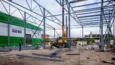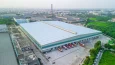
Monsoon season in India brings much-needed relief from heat—but for industrial infrastructure like Pre-Engineered Buildings (PEBs) and prefabricated structures, it also introduces risks such as water leakage, corrosion, structural stress, and operational disruptions.
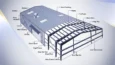
Unlike conventional buildings, PEBs and prefab structures are precision-engineered systems made of steel frames, roofing sheets, fasteners, sealants, and insulation panels. Their performance during heavy rains depends heavily on preventive maintenance and timely inspections.
This blog provides a comprehensive pre-monsoon checklist to help facility managers, plant heads, and business owners ensure their buildings remain safe, leak-proof, and operational throughout the rainy season.
🌧️ Why Pre-Monsoon Preparation is Critical for PEBs
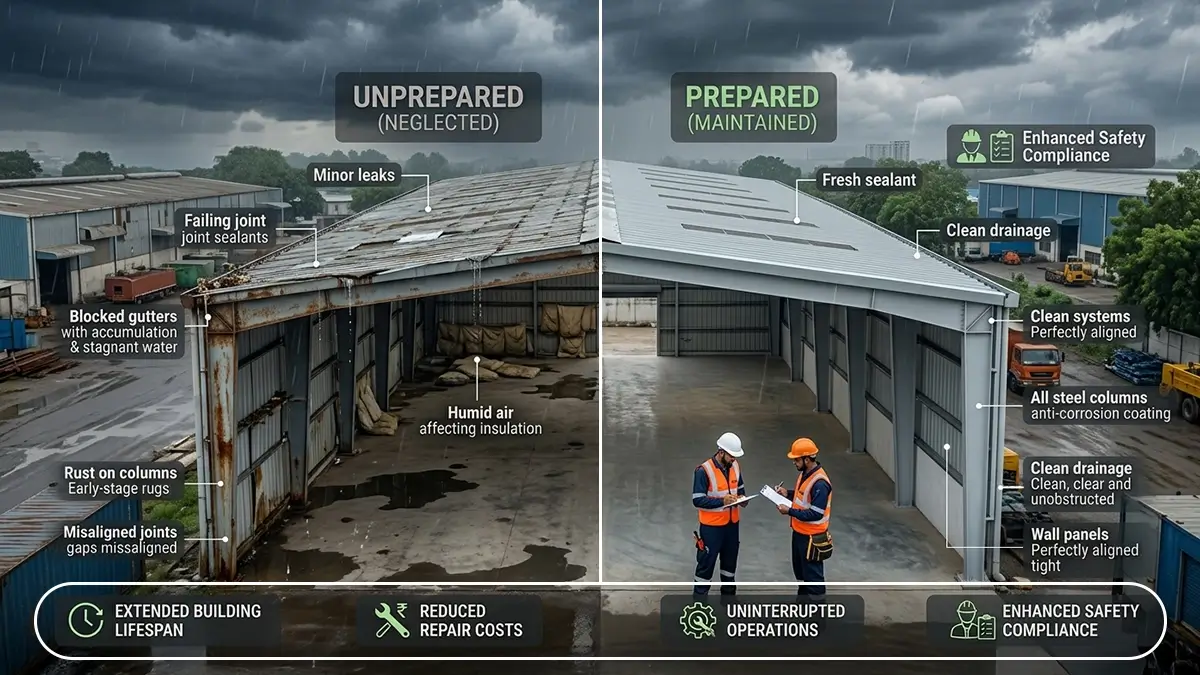
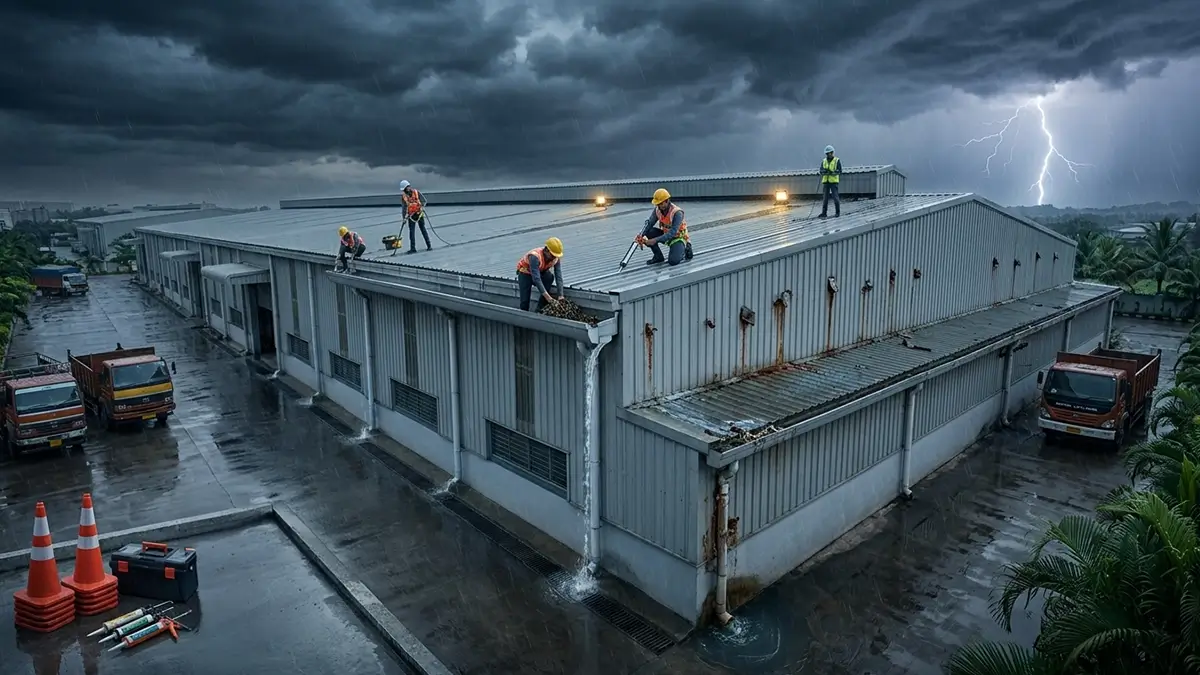
PEBs are designed for durability, but monsoon conditions can expose vulnerabilities if maintenance is overlooked. Common issues include:
- Roof leakage due to worn-out sealants
- Rusting of steel components
- Blocked drainage systems causing water accumulation
- Panel joint failures in prefabricated structures
- Increased humidity affecting insulation performance
A proactive approach ensures:
- Extended building lifespan
- Reduced repair costs
- Uninterrupted operations
- Enhanced safety compliance
✅ 1. Roof Inspection & Maintenance
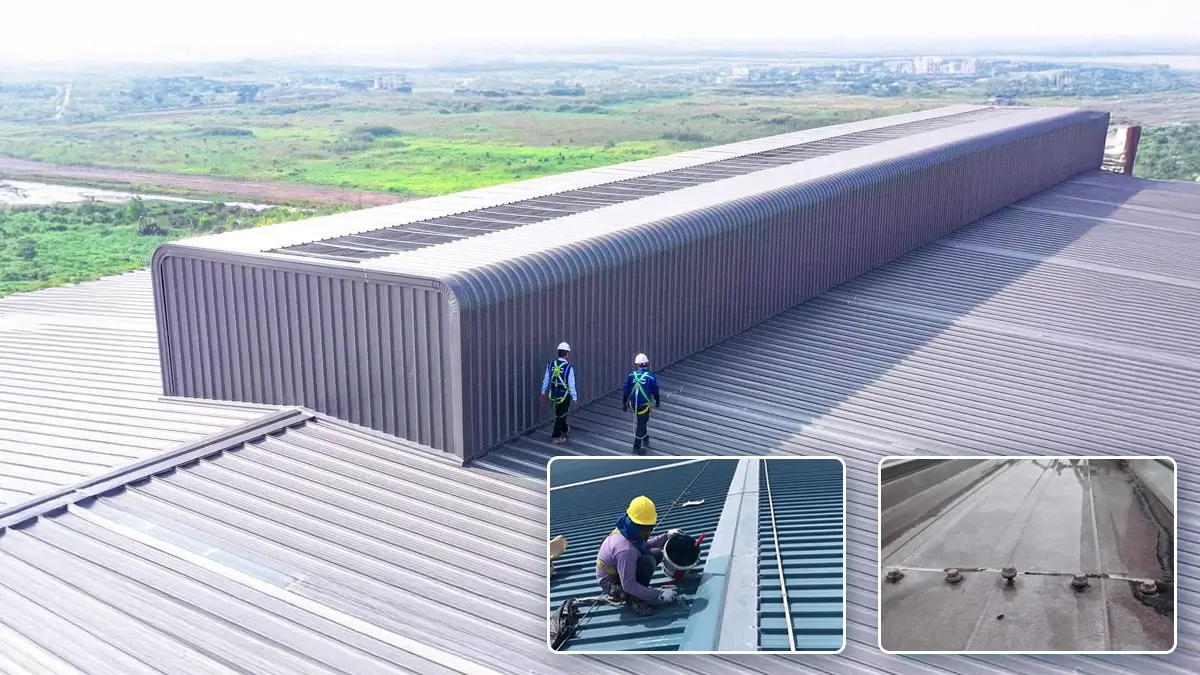
The roof is the most exposed part of any PEB structure and should be your top priority.
Key Checks:
- Inspect for loose or missing fasteners
- Look for cracks, gaps, or damaged roofing sheets
- Check lap joints and overlaps for leakage points
- Examine ridge vents and skylights for proper sealing
Preventive Actions:
- Re-tighten or replace fasteners
- Apply weatherproof sealants on joints
- Replace damaged sheets immediately
- Ensure proper slope for water runoff
💧 2. Gutter & Drainage System Cleaning
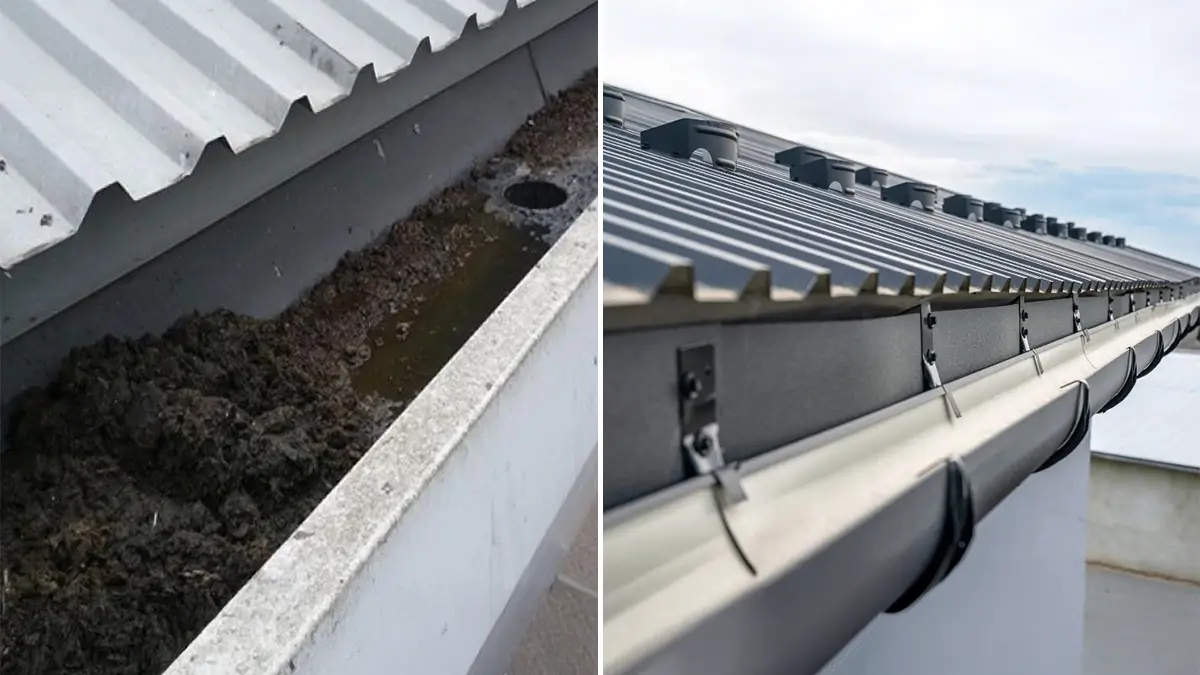
Blocked drainage systems are one of the most common causes of water damage.
Key Checks:
- Inspect gutters for leaves, dirt, and debris
- Ensure downpipes are unclogged
- Check for leaks or sagging gutters
Preventive Actions:
- Clean all gutters and downspouts thoroughly
- Fix alignment issues to ensure smooth water flow
- Install leaf guards or mesh filters if required
🏗️ 3. Structural Frame & Corrosion Check
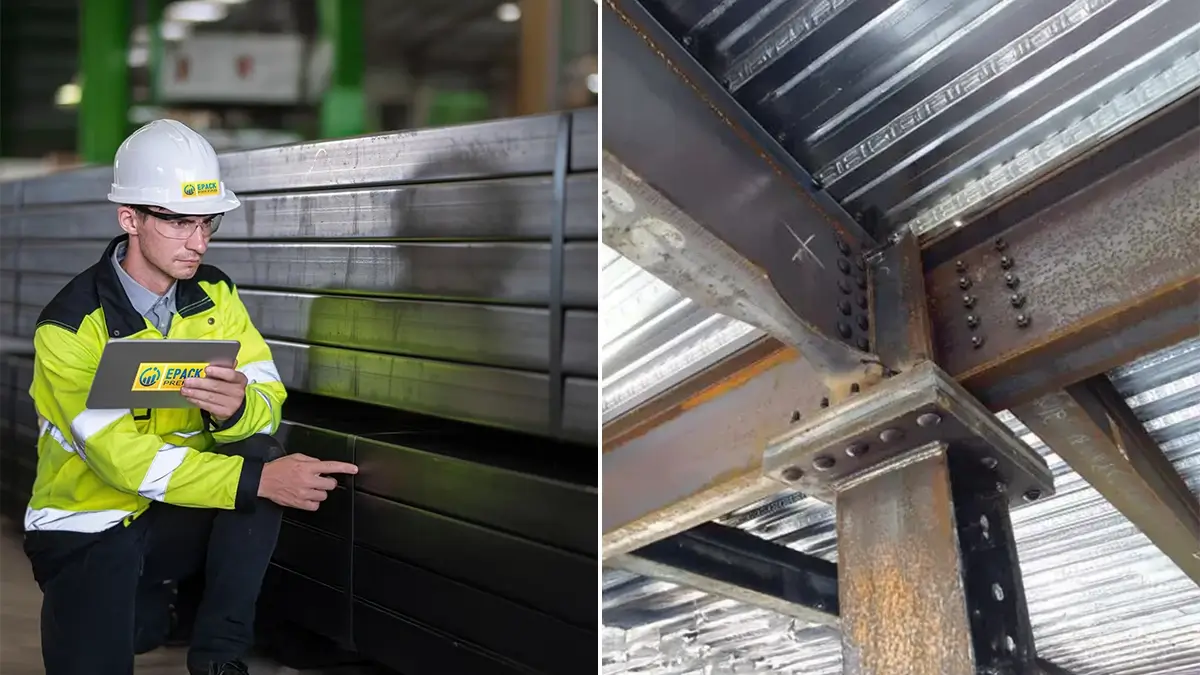
Steel structures are strong but vulnerable to corrosion if protective coatings degrade.
Key Checks:
- Inspect primary and secondary steel members
- Look for rust spots or paint peeling
- Check bolted connections for looseness
Preventive Actions:
- Apply anti-corrosion coatings or touch-up paint
- Tighten loose bolts and replace damaged ones
- Conduct structural audit if any major issue is detected
🧱 4. Wall Panels & Cladding Inspection
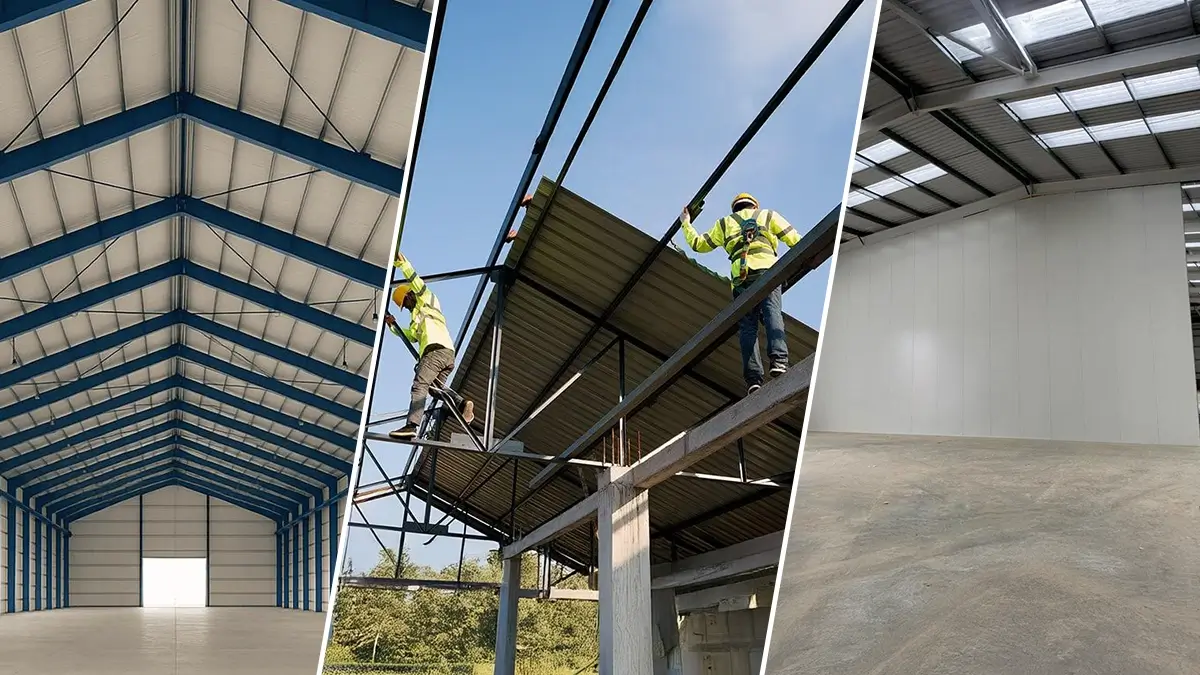
Wall panels, especially sandwich panels (PUF/EPS), play a key role in insulation and waterproofing.
Key Checks:
- Inspect panel joints and sealants
- Look for gaps, cracks, or misalignment
- Check for water seepage marks
Preventive Actions:
- Reapply sealants at joints
- Replace damaged panels
- Ensure tight locking of panel systems
⚡ 5. Electrical Systems & Safety
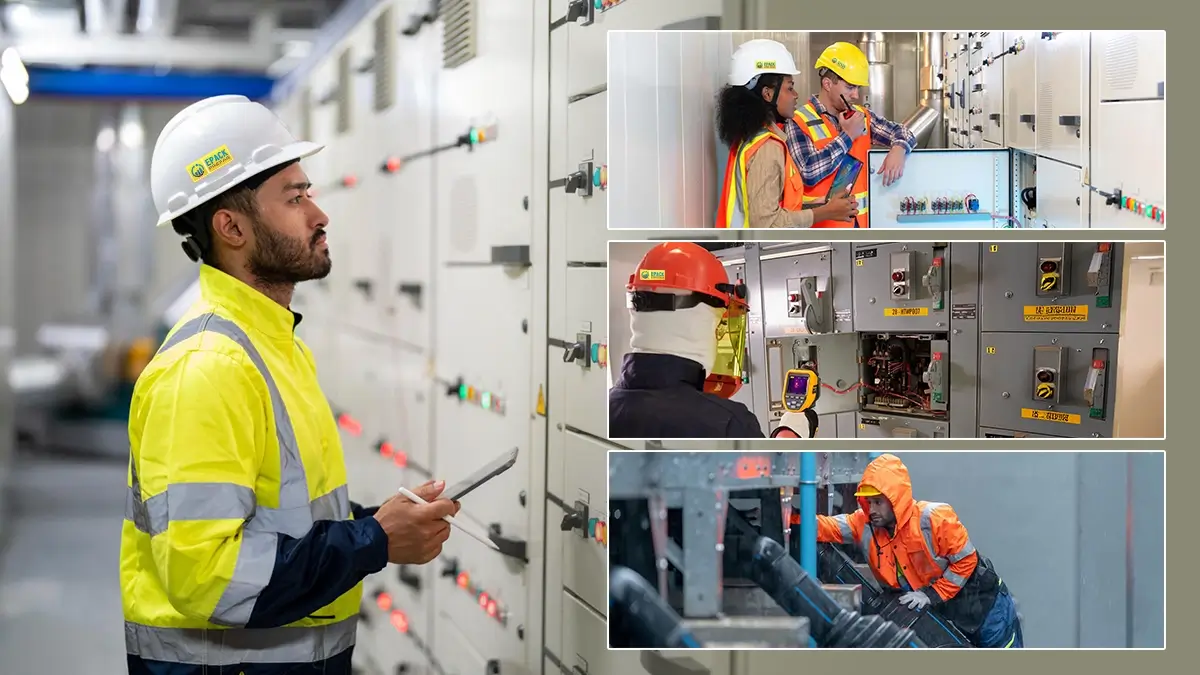
Water and electricity are a dangerous combination, making this a critical area.
Key Checks:
- Inspect exposed wiring and junction boxes
- Check earthing and grounding systems
- Ensure electrical panels are sealed and elevated
Preventive Actions:
- Waterproof all exposed electrical points
- Replace damaged cables
- Install protective enclosures for outdoor systems
🌬️ 6. Ventilation & Insulation Check
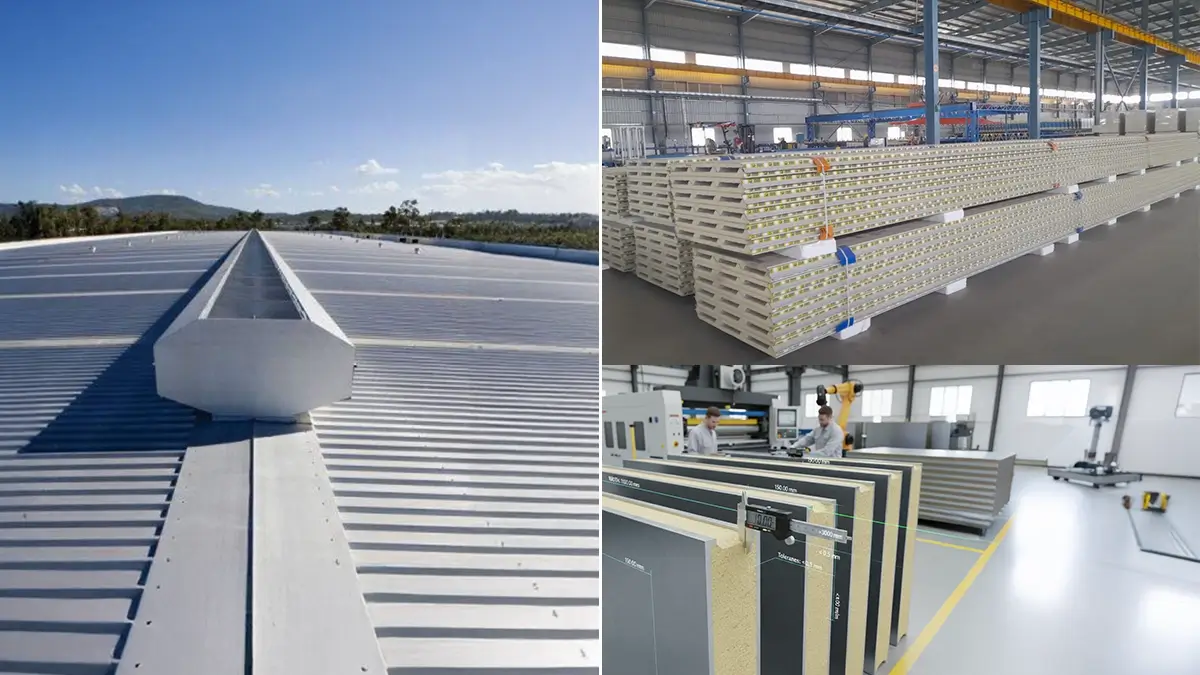
High humidity during monsoon can lead to condensation and reduced insulation efficiency.
Key Checks:
- Inspect roof ventilators and louvers
- Check for moisture buildup in insulation
- Ensure proper airflow inside the building
Preventive Actions:
- Clean and repair ventilation systems
- Replace damp insulation materials
- Improve airflow design if required
🚪 7. Doors, Windows & Openings
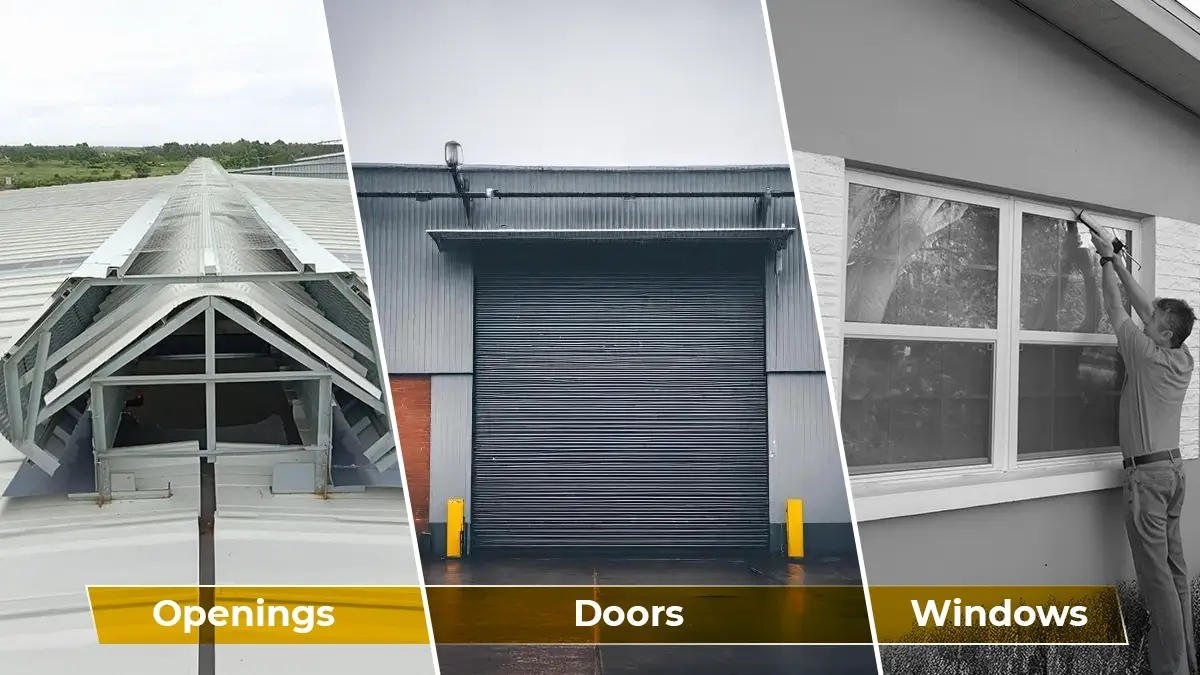
Entry points are common leakage zones during heavy rains.
Key Checks:
- Inspect door seals and weather stripping
- Check window frames and glass joints
- Ensure proper sealing in loading bays and shutters
Preventive Actions:
- Replace worn-out seals
- Apply waterproof coatings
- Install rain guards where necessary
🧰 8. Emergency Preparedness & Documentation
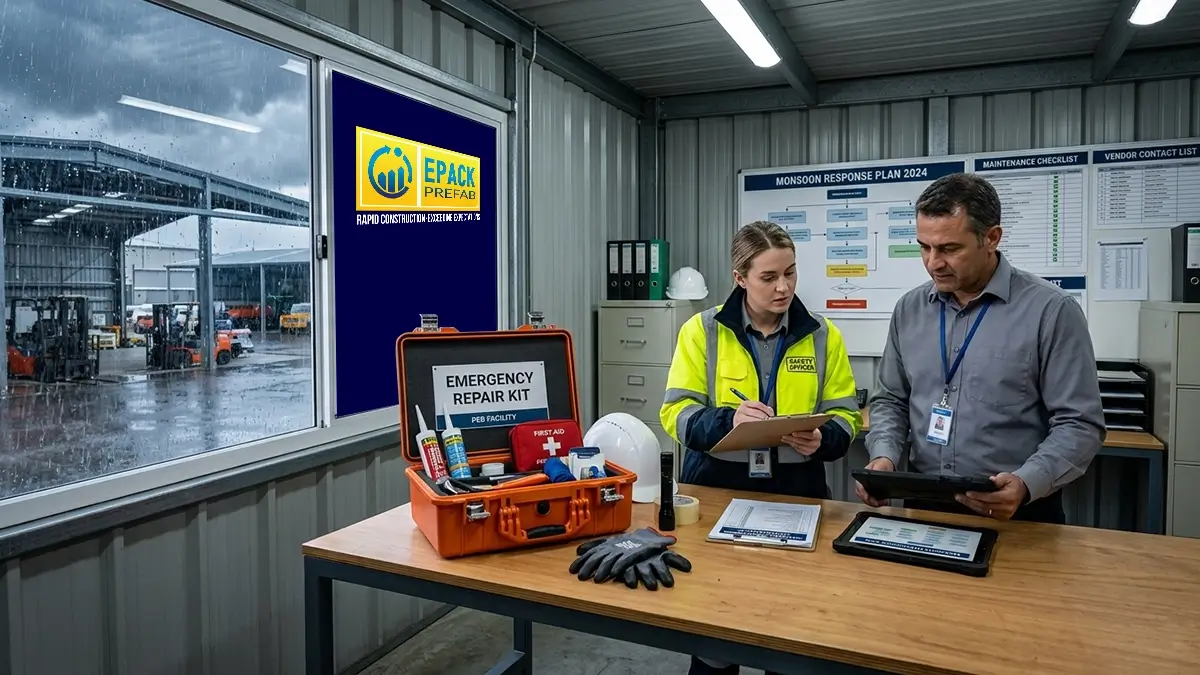
Beyond physical inspection, preparedness is key.
Checklist:
- Keep emergency repair kits ready
- Maintain a list of vendors and service providers
- Train staff on emergency response protocols
- Document all inspections and maintenance activities
📊 Pro Tip: Create a Preventive Maintenance Schedule
From an SEO and operational excellence perspective, companies that consistently maintain infrastructure build long-term cost efficiency and brand trust.
Set up:
- Monthly inspection routines
- Pre- and post-monsoon audits
- Digital logs for tracking maintenance
🏁 Conclusion: Don’t Wait for Leaks to Act
A well-maintained PEB or prefabricated building can withstand even harsh monsoon conditions—but only if proactive steps are taken in advance.
Final Actionable Takeaways:
- Start inspections at least 4–6 weeks before monsoon
- Prioritize roofing, drainage, and sealing systems
- Address minor issues before they become major repairs
- Ensure safety compliance across all systems
By following this pre-monsoon checklist, you not only protect your building but also ensure business continuity, employee safety, and long-term asset performance.