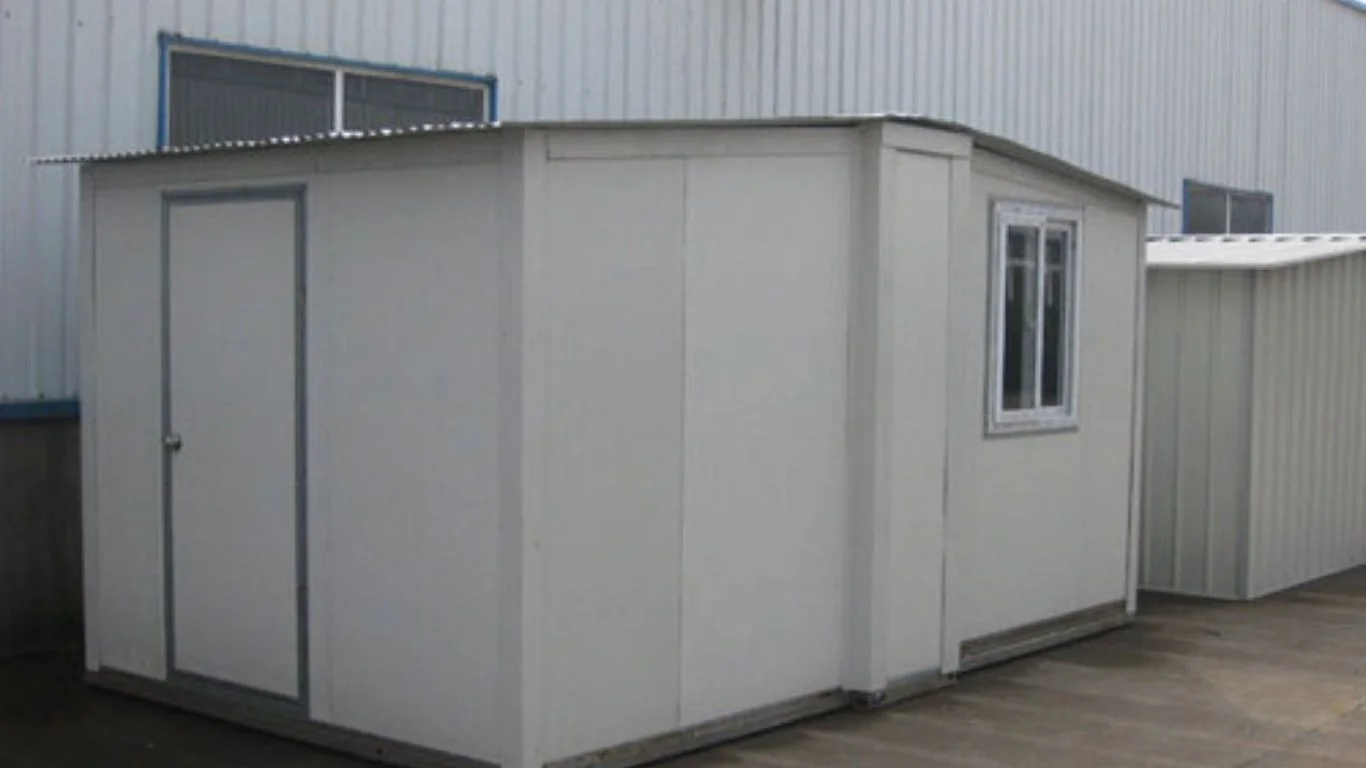
Two temporary shelters can look almost identical in a catalogue. Same size, similar price, comparable specs on paper. But six months into a project, one holds firm through monsoon winds and extreme heat while the other warps, leaks, and needs constant repair. The difference was never visible at the time of purchase.
That is the real challenge with buying temporary shelters. The gap between a good one and a poor one rarely shows up in a brochure, it shows up on site, often at the worst possible time.
This guide breaks down exactly what separates a reliable shelter from a regrettable one, so you can make the right call before you spend a rupee.
Why Temporary Shelters Are in High Demand
Infrastructure growth, rapid urbanisation and large-scale industrial activity have increased the need for quick deploy, flexible accommodation. Temporary site shelters serve project camps, worker housing, disaster relief, military use, event setups, and more.
Here is the thing though – the surge in demand has also flooded the market with options that vary wildly in quality. Modern prefab shelter solutions from credible manufacturers are engineered for durability, insulation, and structural performance. But cheaper alternatives often cut corners on materials, design, and safety and those shortcuts are not always easy to spot upfront.
What Separates a Good Shelter from a Poor One
1. Understand Your Purpose and Scale
Before anything else, define your requirement clearly. Ask yourself:
- How many people will use the shelter?
- Is it for temporary worker shelters, storage, office use, or site operations?
- Will it be used in extreme weather conditions?
- How long do you need it – weeks, months, or years?
The answers shape every other decision. A shelter for 20 labourers at a remote highway project has very different requirements than a portable accommodation unit for corporate site staff.
2. Evaluate the Build Material
Material quality directly affects durability, safety, and long-term costs. Look for shelters built with:
- Galvanised steel frames for structural integrity
- Insulated sandwich panels (EPS, PUF, or Rockwool) for thermal and acoustic performance
- Weather-resistant cladding to handle rain, wind, and temperature extremes
A well-built shelter uses these materials because they are tested for performance under real conditions. A poorly built one uses look-alike alternatives that may hold up for a few months — but not a full project cycle. In industries like construction or oil and gas, that difference is not just inconvenient, it can be unsafe.
3. Check the Structural Design and Engineering Standards
Prefabricated shelter structures should meet relevant structural and safety standards. This is especially important for multi-storey or large-span layouts. Verify that the supplier follows standard engineering norms and that the design accounts for local load conditions — including wind, seismic activity, and occupancy load.
Reputable manufacturers provide engineering drawings and load calculations. Always ask for documentation.
4. Assess Portability and Ease of Installation
One of the biggest advantages of modular shelter buildings is quick deployment. However, not all units are equally portable or easy to assemble.
Look for:
- Flat-pack or panel-based systems that need minimal tools
- Lightweight yet strong frame designs
- Clear installation manuals or on-site erection support
Temporary site shelters that take weeks to install defeat the purpose of speed and flexibility.
5. Consider Thermal Comfort and Ventilation
Workers spending long hours in a shelter need proper ventilation and temperature control. Poor insulation leads to overheating in summers and extreme cold in winters reducing productivity and affecting health.
Look for shelters with insulated wall and roof panels, provision for natural or mechanical ventilation, and optional climate control systems. Thermal performance is especially critical in projects located in deserts, hilly regions, or coastal areas.
6. Review Total Cost of Ownership
Many buyers focus only on purchase price. However, total cost of ownership includes:
- Installation and transportation charges
- Maintenance and upkeep over time
- Energy costs for heating or cooling
- Dismantling and relocation expenses
A slightly higher initial investment in quality prefab shelter solutions can save significantly over the life of the project. Always compare options with these full costs in mind.
7. Check Customisation Options
Projects differ in layout, function, and site conditions. Flexible temporary worker shelters let you configure spaces for dormitories, dining areas, offices, and washrooms within the same modular system.
Ask your supplier if they offer customised layouts, add-on modules, and integration with utilities like electricity, plumbing, and fire safety systems.
8. Choose a Reliable Manufacturer
A shelter is only as good as the company behind it. Choose a manufacturer with:
- Proven industry experience
- Certified materials and processes
- Post-installation support
- References from similar projects
EPACK Prefab is a trusted name in portable accommodation units and modular site infrastructure in India. With decades of experience across construction, industrial, and infrastructure sectors, EPACK delivers engineered temporary shelter solutions that meet project-specific requirements — from basic worker camps to fully equipped site offices.
A Quick Checklist Before You Finalise
✅ Purpose and scale clearly defined
✅ Material quality verified
✅ Engineering standards confirmed
✅ Installation ease assessed
✅ Thermal and ventilation features checked
✅ Total cost of ownership calculated
✅ Customisation options explored
✅ Manufacturer credibility evaluated
Conclusion
Two shelters can look the same at the point of purchase and feel completely different six months into a project. The difference comes down to material quality, engineering rigour, thermal performance, and the credibility of who built it.
Buying temporary shelters is not just a procurement checkbox, it is a project critical decision. Choose one that looks cheap on paper and you often pay more in repairs, downtime, and worker discomfort. Choose right from the start and your shelter becomes one less thing to worry about on site.
Looking for temporary shelter solutions that are built to perform, not just priced to sell? Talk to EPACK Prefab and get a solution engineered for your specific project needs.
📄 Download Brochure
🌐 Website: www.epack.in
✉️ Email: enquiry@epack.in
📞 Phone: +91 81304 44466